Metal AM Utilization
Developed a Python-based buffer size simulation to optimize throughput and utilization of a Nikon SLM printer. Improved projected utilization from ~20% to ~50%.
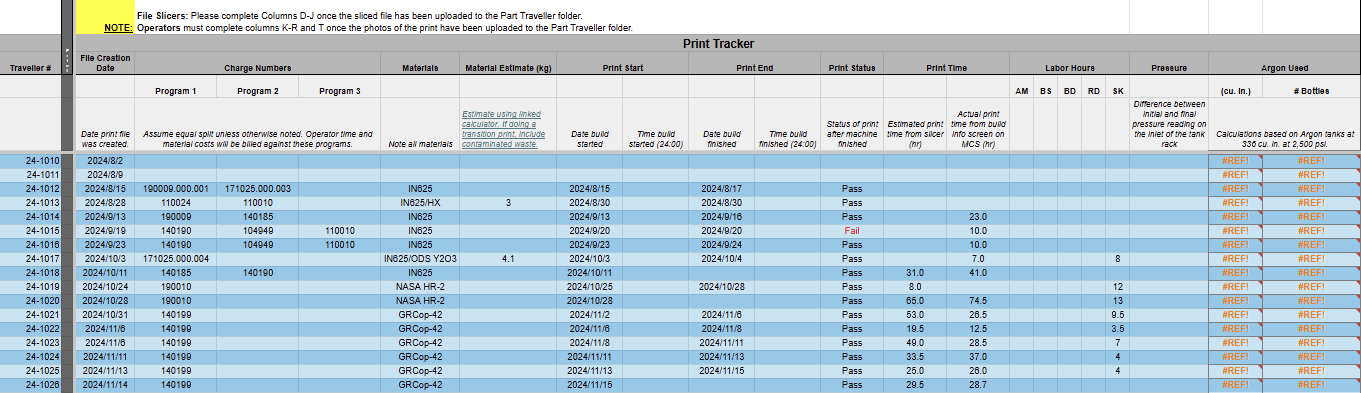
Project Overview
Working with Physical Sciences Inc., I developed a comprehensive simulation system to optimize the utilization of their high-value Nikon SLM metal 3D printer. The printer was experiencing significant downtime between jobs due to inefficient workflow management and buffer sizing issues.
Approach & Solution
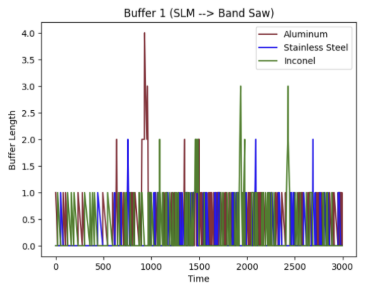
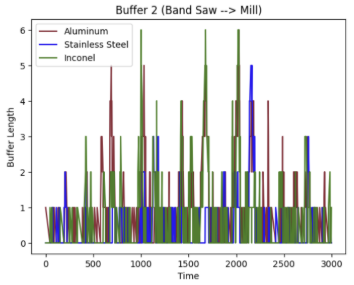
I modeled the entire post-processing machine line (SLM, band saw, mill) as unreliable with buffers and simulated various workflows to determine ideal buffer sizes. This Python-based simulation accounted for machine reliability, processing time variations, and job scheduling constraints.
Outcome & Results
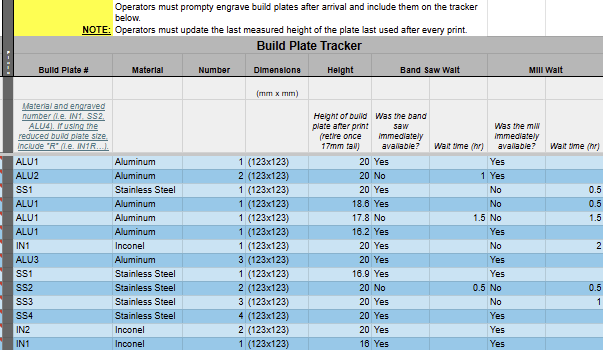
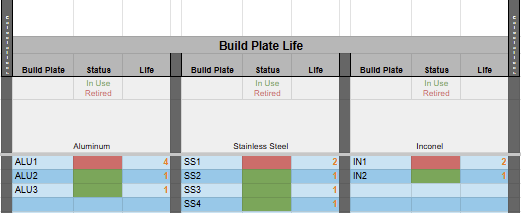
Through careful analysis and optimization, the simulation recommended buffer configurations and job scheduling strategies that improved projected utilization from approximately 20% to 50%. I also delivered standard operating procedures (SOPs), live spreadsheets, and simulation tools for PSI implementation.
Project Report
This comprehensive report details the optimization of a Nikon SLM metal 3D printer's utilization through simulation and workflow improvements. The project achieved a significant increase in operational efficiency.
Project Details
Timeline
Fall 2024
Role
Mechanical Engineer
Client/Organization
Physical Sciences Inc.
Resources
Project Gallery